
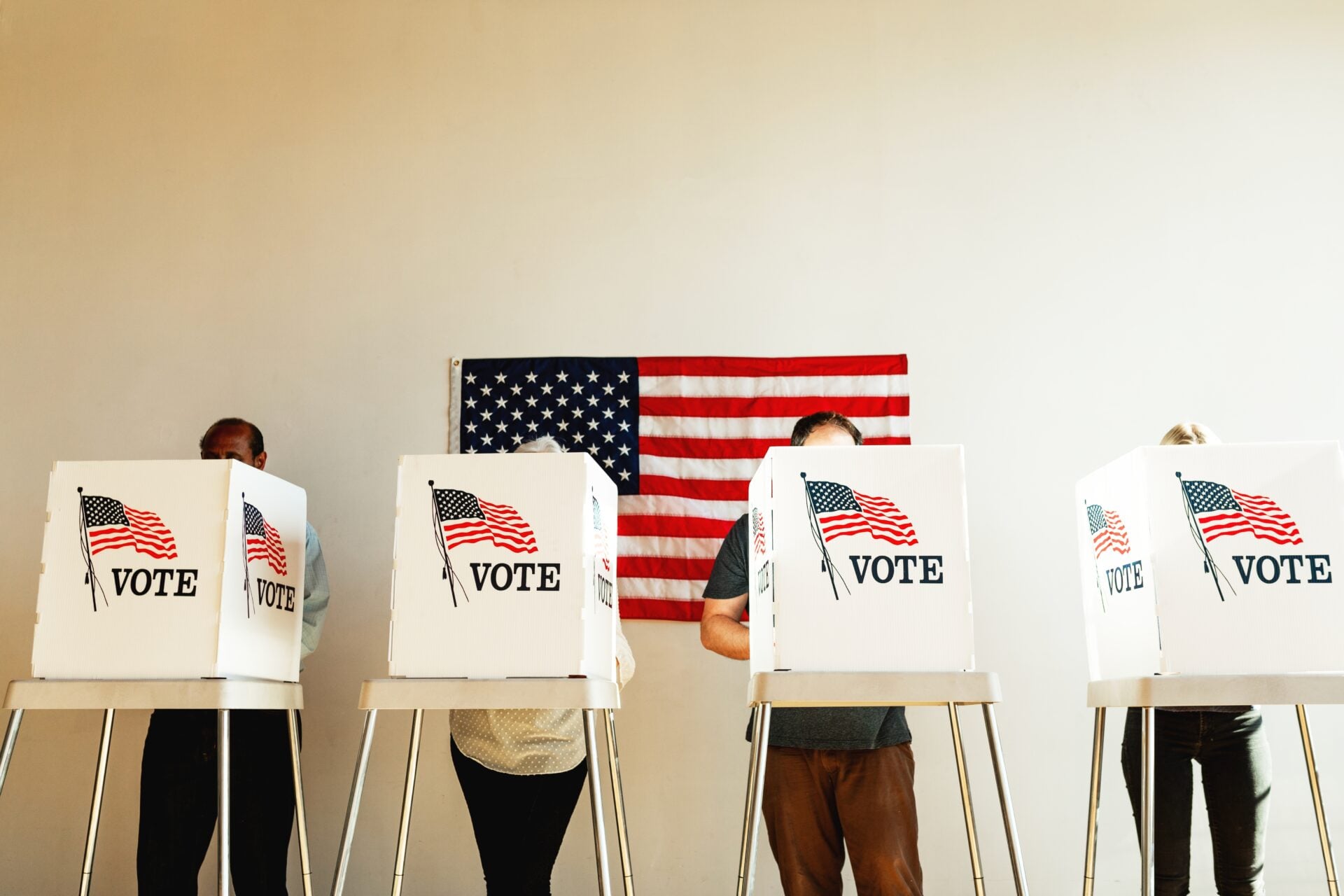
On Tuesday, November 3, Massachusetts voters will choose a Governor, a U.S. Senator, all nine members of our U.S. House delegation, and decide several statewide ballot questions. Early voting is already underway, and it runs through October 30.
For people of faith, voting is more than a civic chore. It is an act of stewardship. The challenge is that most of us don’t have hours to sift through candidate websites, voting records, and ballot question fine print. That is where a good voter guide helps.
A Research Tool Built for Faith-Based Voters
iVoterGuide has published its guide to the 2026 Massachusetts General Election. At this time, the guide covers federal races (U.S. Senate and U.S. House) along with the statewide ballot questions. It gathers that information in one place so you can study the choices before you head to the polls.
For each candidate, the guide compiles:
- Responses to a candidate questionnaire
- Legislative scorecards and voting records
- Campaign contributions and endorsements
- Additional background research
You can review the full record, compare candidates side by side, and weigh their positions against your own convictions. The goal is simple: no one should walk into the voting booth guessing.
Please note: The guide does not yet cover the race for Governor or other state offices. Check your sample ballot for the full list of races you will see on November 3.
Here is what the guide includes:
- U.S. Senate: four candidates on the statewide ballot
- U.S. House: 21 candidates across all nine congressional districts
- Four statewide ballot questions:
- Question 3 would replace party primaries for state offices with a single all-party primary, sending the top two finishers to the general election.
- Question 4 would allow voters to register or update their address on Election Day, beginning in 2028.
- Question 8 would end the retail sale of recreational marijuana and limit adult possession to one ounce, beginning in 2028.
- Question 9 asks voters whether to keep the 2024 law overhauling the state’s firearm regulations.
Ballot questions often get less attention than the top of the ticket, yet they change state law directly. A few minutes of reading now means you will understand exactly what a Yes or No vote does.
Three Steps Before November 3
- Open the guide. Visit iVoterGuide’s Massachusetts page and look up the races on your ballot.
- Do your homework. Read the candidate questionnaires and the full text of each ballot question. Then weigh each choice against your values.
- Make your plan. Decide whether you will vote early (through October 30), by mail, or in person on Election Day, when polls are open 7:00 a.m. to 8:00 p.m.
Then share the guide with your family, your small group, and your church. An informed electorate starts with neighbors helping neighbors. Your vote is your voice. Use it well.
Massachusetts Family Institute does not endorse or oppose any candidate for public office. Links to third-party resources are provided for educational purposes.
