
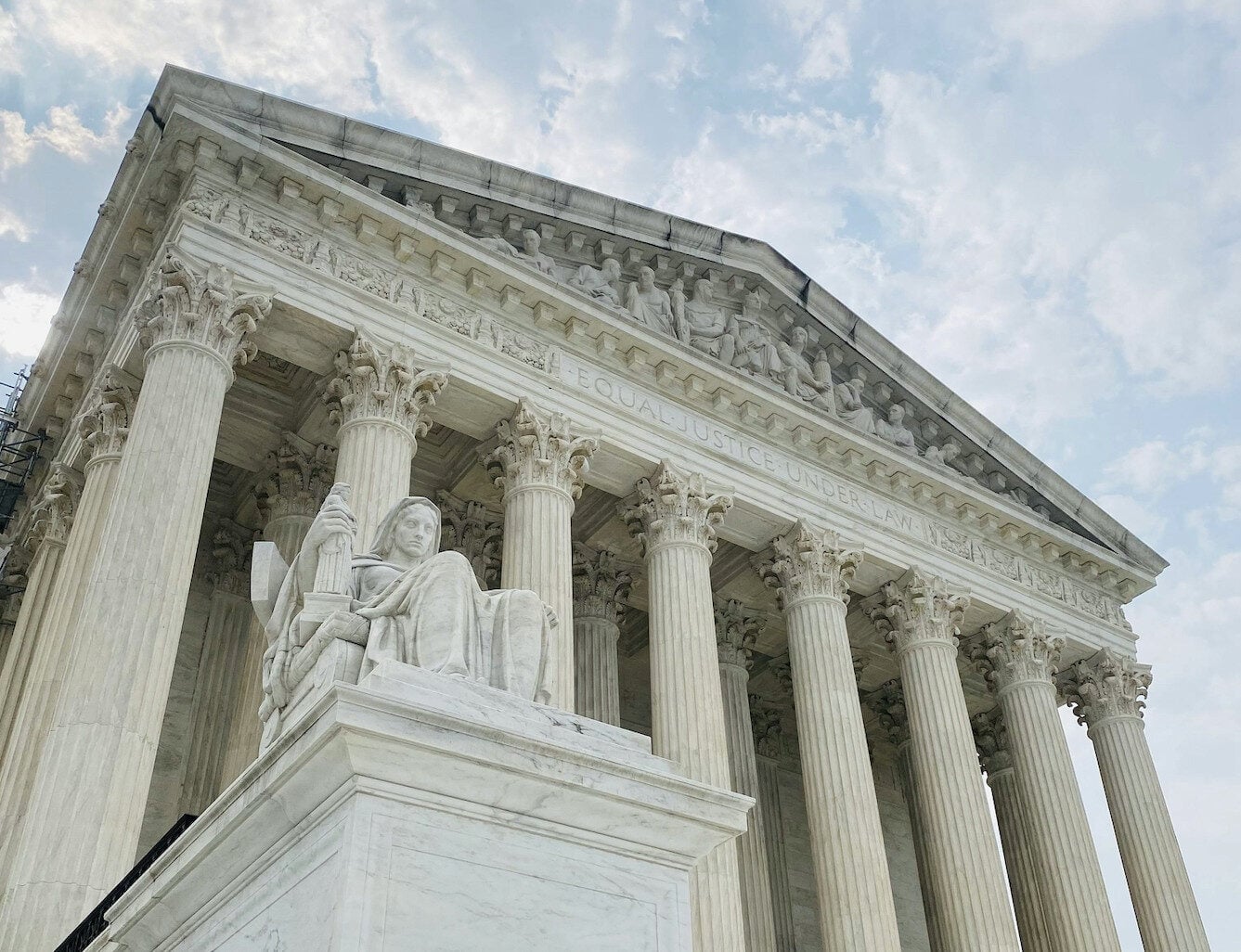
In a significant win for free speech, the United States Supreme Court ruled Tuesday that Colorado’s ban on “conversion therapy” very likely violates the First Amendment rights of a licensed therapist. In an 8–1 decision, the Court sided with Kaley Chiles, who challenged the law as an unconstitutional limit on what she could say to her clients.
The Colorado law prohibited licensed counselors from engaging in what the state defined as “conversion therapy” with minors—a broad term that, in practice, banned conversations aimed at helping a child become more comfortable with their biological sex.
At the same time, the law allowed, and often encouraged, conversations that affirmed a child’s stated gender identity. A counselor could support a minor in identifying as a different gender, but could not explore other therapeutic approaches, even if the child or parents were seeking that support.
Chiles argued that the law did not regulate conduct, but speech, allowing one viewpoint while banning another. The Supreme Court agreed. The justices made clear that the government cannot pick sides in a conversation and permit only the viewpoint it prefers. Even in a counseling setting, speech is still protected.
For more information about what this means for Massachusetts, visit the Massachusetts Liberty Legal Center website today!
