
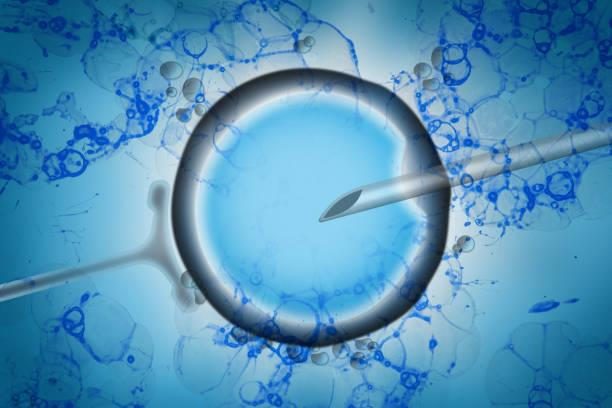
Last month, President Trump signed an executive order aimed at expanding access to in vitro fertilization (IVF), directing his Domestic Policy Council to develop recommendations for “lowering costs and reducing barriers” to the procedure. IVF is a medical procedure in which an egg and sperm are combined in a laboratory to create a baby. The living human embryo is then implanted in the uterus of a woman to begin a pregnancy.
Trump’s order has reignited national debate on the controversial procedure, drawing responses from pro-life advocates like Lila Rose, Katy Faust, a group of Catholic bishops, and others. While the desire of married couples to conceive and raise children is rooted in God’s design for families and IVF can offer hope for couples facing infertility, it also raises significant moral concerns that require careful consideration, particularly from a pro-life perspective.
More human lives are lost through the IVF industry than the number of lives taken through abortion. IVF procedures are done 2.5 million times per year worldwide, but only 500,000 babies are born as a result. This means that at least 80%—or about two million—of the human beings created through IVF either die during the process, are frozen indefinitely, or are discarded. And the number is likely much higher since IVF clinics typically fertilize seven or eight eggs per patient.
IVF has seemed like a miracle for some infertile couples, but it also brings with it a harsh reality: the success rates of IVF are low, with only a small percentage of cycles resulting in a live birth. The process often takes multiple cycles, each one emotionally and financially draining. For many couples, IVF can create a false sense of hope, putting them on an emotional rollercoaster filled with moments of anticipation and the pain of repeated failure.
Another concern is the growing trend of non-traditional family structures facilitated by IVF, including same-sex couples and single mothers by choice. Each year, an estimated 30,000 to 60,000 children are born through IVF using donor sperm or eggs, intentionally separating them from one or both biological parents. These “donor” children often face struggles with identity, as they may not know their genetic background, family tree, or medical history. Many also have numerous half-siblings they will likely never meet, and the lack of access to complete health information can complicate their medical care. Children raised without a father or mother experience emotional challenges, including a longing for the missing parental figure and a sense of loss. And sometimes donor conception goes horribly wrong, like in a shocking case out of Georgia where a woman is suing an IVF clinic after giving birth to someone else’s child after the clinic implanted the wrong embryo.
The IVF industry also facilitates the unethical practice of surrogacy, which, along with donor conception, harms both the children and adults involved. Many individuals who have sold their genetic material or rented their wombs later regret not knowing or raising their children. Surrogacy, in particular, raises serious moral and legal concerns, often exploiting impoverished women who feel pressured to participate. These practices commodify children and lack the safeguards typically required in legal adoption, such as background checks, references, and home studies. While purchasing children would usually be considered child trafficking, IVF enables it through donor conception and genetic surrogacy agreements. MFI actively opposed the Parentage Act/Surrogacy Bill that was signed into law in the last legislative session, as it will expand the market for surrogacy in Massachusetts, further exacerbating the exploitation of women and children.
With the number of moral dilemmas the IVF industry creates, it’s not hard to understand why pro-life activists are shining a light on the little-understood technology. Listen to the compelling podcast posted below featuring pro-life advocate Allie Beth Stuckey as she interviews Katy Faust, author and founder of the children’s rights organization Them Before Us, who was also MFI’s 2023 keynote banquet speaker. Allie Beth and Katy discuss President Trump’s recent executive order Expanding Access to In Vitro Fertilization, unpacking why it raises serious concerns for the well-being of children born through IVF facilitation.
In addition to these multiple harms caused by IVF, the lack of government regulation in the industry is also a cause for concern. For example, some clinics offer ethically questionable services such as embryo screening for elective sex selection (available in at least 73% of U.S. clinics) and non-medical traits like hair and eye color. Additionally, some companies provide “polygenic risk scores” for intelligence, while sperm, eggs, and even batches of living human embryos are sold at discounted prices, categorized by preferred traits. In other words, IVF facilitates the sale of designer babies while simultaneously undermining the value of those with “less desirable traits.”
As pro-life advocates, we must approach fertility treatments with discernment, seeking alternatives that respect the sanctity of life. While IVF may offer a solution to some infertile married couples, it is not without moral complexities. We encourage families to explore alternative approaches to fertility, such as NaProTechnology, which focuses on treating the root causes of infertility through natural and ethical methods. This approach aligns more closely with pro-life principles, offering a way to address infertility without compromising the value of human life.
Families should also be encouraged to consider adoption, a beautiful and life-affirming choice that allows children in need of loving homes to thrive.
IVF presents confounding challenges to morality that must be approached with care, compassion, and a steadfast commitment to the sanctity of life. While we acknowledge the pain of infertility and support married couples who seek to build their families, we must also remain vigilant in upholding pro-life principles. We must safeguard the sanctity of all human life, from conception onward, recognizing that every individual is created in the image of God. It is essential that reproductive technologies are used in ways that honor and uphold the intrinsic dignity of human beings, ensuring that the value of life is never compromised, but rather celebrated and protected at every stage of development.
Please consider making a donation today to support MFI’s pro-life advocacy efforts as we work to protect the sanctity of life and promote a culture that values every human being.
